Manly Matters
/
Hair Clipper Buyer’s Guide: Keep It Clean Gentlemen
Hair Clipper Buying Guide
Going to a professional barber or hairdresser is always the best choice for the well-groomed person, but like for many professional services the costs can be astronomical. If you have a fancy haircut that requires weekly or even daily touchups the cost of looking good can become a bankrupting force.
That’s why it’s always a good idea to have a good hair clipper in the home, whether to maintain your own style or to keep your whole family looking good.
So what should you be looking for in a hair clipper? Let’s go over the key considerations.
Puppet Without Strings
One of the first big decisions you have to make is whether the clipper should be wired or wireless. If you go for a wired version you’ll usually pay less and never have to worry about the battery wearing out. Wired clippers can last for many years if you maintain them well.
On the other hand, the best places to get a haircut are often pretty far away from an outlet and even then the actual act of clipping hair can be made a bit more tedious by contending with the cord.
The Set Up
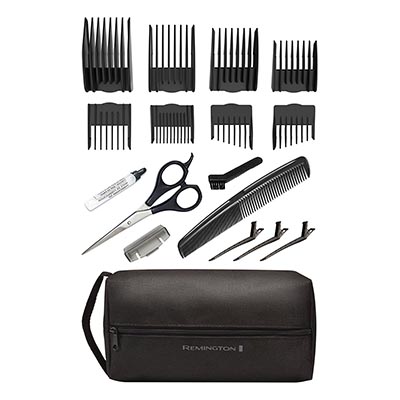
Hair clippers usually come with a number of combs that clip over the cutting head. Each of these sets the blades a certain distance away from the scalp. Pay attention to how many combs you get, what the increments are, and the maximum and minimum ends of the length range.
Unfortunately there is no standard across manufacturers for length adjustment, so it falls to the customer to make sure the clippers will go as long or short as they need it to.
The Extras
Hair clippers often come with some rather essential accessories. For example, a proper pair of hair shears for finishing touches or fine work. There may also be a comb included, which is another tool you’ll probably need while styling the cut. Other included items may be things like a barber’s cape, a carry case or pouch, and even a stand. Which, if any, of these you care about will of course depend on your needs, but you have to take note of exactly what you get for your money.
Keeping Up Appearances
You should also check what maintenance products are required and whether they are included. Usually the blades require oiling and brushing, so make sure that the kit includes both.
Making the Cut
The most important component is, of course, the blade assembly. Most blades are self-sharpening, but make a note if the metal has been treated so as to be corrosion resistant. Many cheaper models will rust if you don’t oil them religiously, so its worth getting something stainless or coated to save the cost of replacing the head or even whole clipper prematurely.
You should also look for blade guards or rounded blade tips. Generally any feature designed to ensure that the clippers clip hair and don’t nick the skin. Cheap models often have a rather lax attitude to keeping your skin cut-free. The cost saving is not worth the pain.
Absolute Power
The motor that drives the blades has to be strong enough to actually cut the hair that it will be applied to. While manufacturers don’t quote power figures for their motors in obvious places, if you have or intend to cut very thick hair, look for clippers that advertise a more powerful motor. Also pay attention to user reviews that say whether a motor is strong enough to clip their hair.
Battery Technology
If you go for a cordless clipper you’ll mainly see two kinds of built-in rechargeable batteries – NiMH and Li-Ion. NiMH or Nickel-metal hydride batteries take forever to recharge and don’t really have much of an advantage in terms of run length. They are, however, cheaper at the moment. Li-Ion or lithium-ion batteries are the newer technology. Usually they charge very quickly and provide good run times. They also provide consistent voltage even when nearly empty, which means that you get the full motor power throughout the charge.
Pay attention to charge times, since one haircut may drain a cordless clipper. It may also be useful to have a clipper that can run on battery power and a cord, which gives you ultimate flexibility.
Size Matters
Children and people with very small heads may be easier to trim with a smaller model with a narrower head. Wide clipper heads may make it faster to do buzzcuts, but it makes it harder to do fine or precision work.
Weight is also an important factor. You have to hold up a pair of clippers much longer than the five minutes it takes to shave or trim a beard; a very heavy clipper can quickly fatigue you.
Selfie
If you intend to cut your own hair you’ll want to invest in the right kind of mirror to see the back of your own head. Having a light and maneuverable clipper becomes even more important. Clippers with swiveling heads are especially useful to make clipping your own hair easier.
Don’t forget to go check out my mini-reviews
of the most popular hair clippers you can
buy online today.
Choosing the right hair clipper starts with understanding your own grooming habits. Some men prefer a quick trim every few days, while others go weeks between cuts. The motor type plays a significant role in performance, with rotary motors offering consistent power for most hair types and magnetic or pivot-drive motors providing more torque for thicker hair. Blade material matters too, as stainless steel or ceramic blades hold their sharpness longer and run cooler during extended use. A clipper that feels balanced in the hand and operates quietly can make the difference between a chore and a pleasant grooming ritual.
Corded versus cordless is one of the first decisions you will face when shopping for a hair clipper. Corded models deliver uninterrupted power and are often favored by professionals who need consistent performance throughout the day. Cordless clippers offer freedom of movement and are ideal for travel or for those who like to trim in front of any mirror without hunting for an outlet. Modern lithium-ion batteries provide long run times and quick charges, making cordless options increasingly popular. Consider your typical grooming location and whether you value mobility over unlimited runtime.
Blade maintenance is essential for getting the most out of your hair clipper investment. Regularly oiling the blades prevents friction, reduces heat buildup, and extends the life of the cutting edges. Most quality clippers come with a small bottle of blade oil and a cleaning brush, making it easy to establish a simple after-use routine. Removing hair clippings from between the blades after each session keeps them cutting cleanly and prevents dulling. A well-maintained clipper will glide through hair smoothly rather than pulling or snagging, which makes the experience more comfortable and the results more consistent.
Adjustable taper levers and attachment combs give you control over cutting length and blending. A built-in taper lever allows for quick adjustments on the fly, making it simple to fade or blend different sections of hair without changing attachments. Snap-on comb guards come in a range of lengths, from close stubble cuts to longer trims, and are essential for achieving consistent results across the entire head. Look for combs that attach securely and are easy to swap between sizes. Having a good selection of length options opens up more styling possibilities and makes the clipper suitable for the whole family.
Beyond cutting hair, a quality clipper can handle beard trimming, body grooming, and detail work around the ears and neckline. Many modern clippers include a set of precision attachments that transform the tool into a versatile grooming system. A durable carrying case or storage bag helps keep the clipper and its accessories organized and protected between uses. Reading customer reviews and product guides can reveal how well a clipper performs on different hair textures and how it holds up over months of regular use. Taking the time to choose a well-reviewed model from a reputable brand ensures your grooming routine stays simple and effective.